
GITD
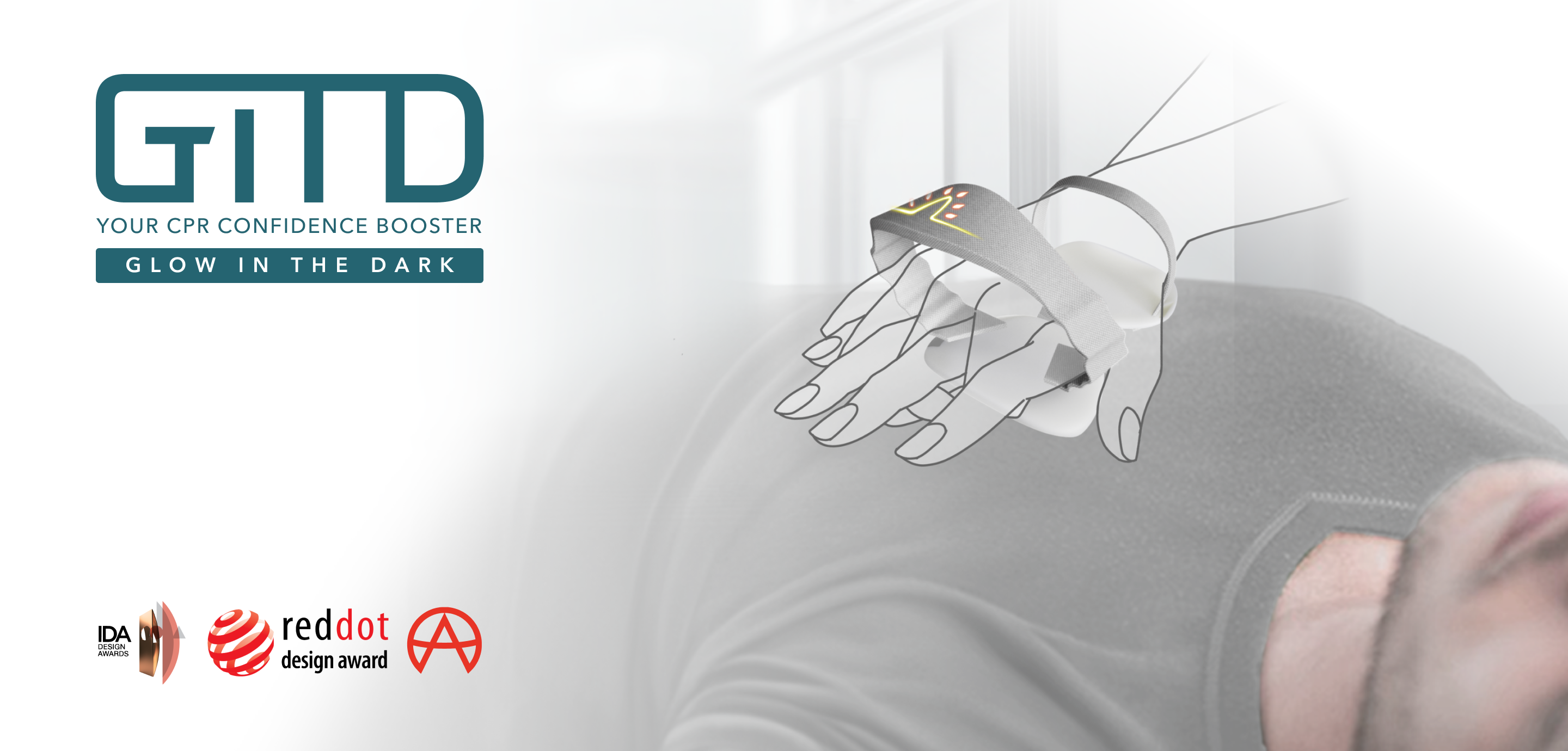
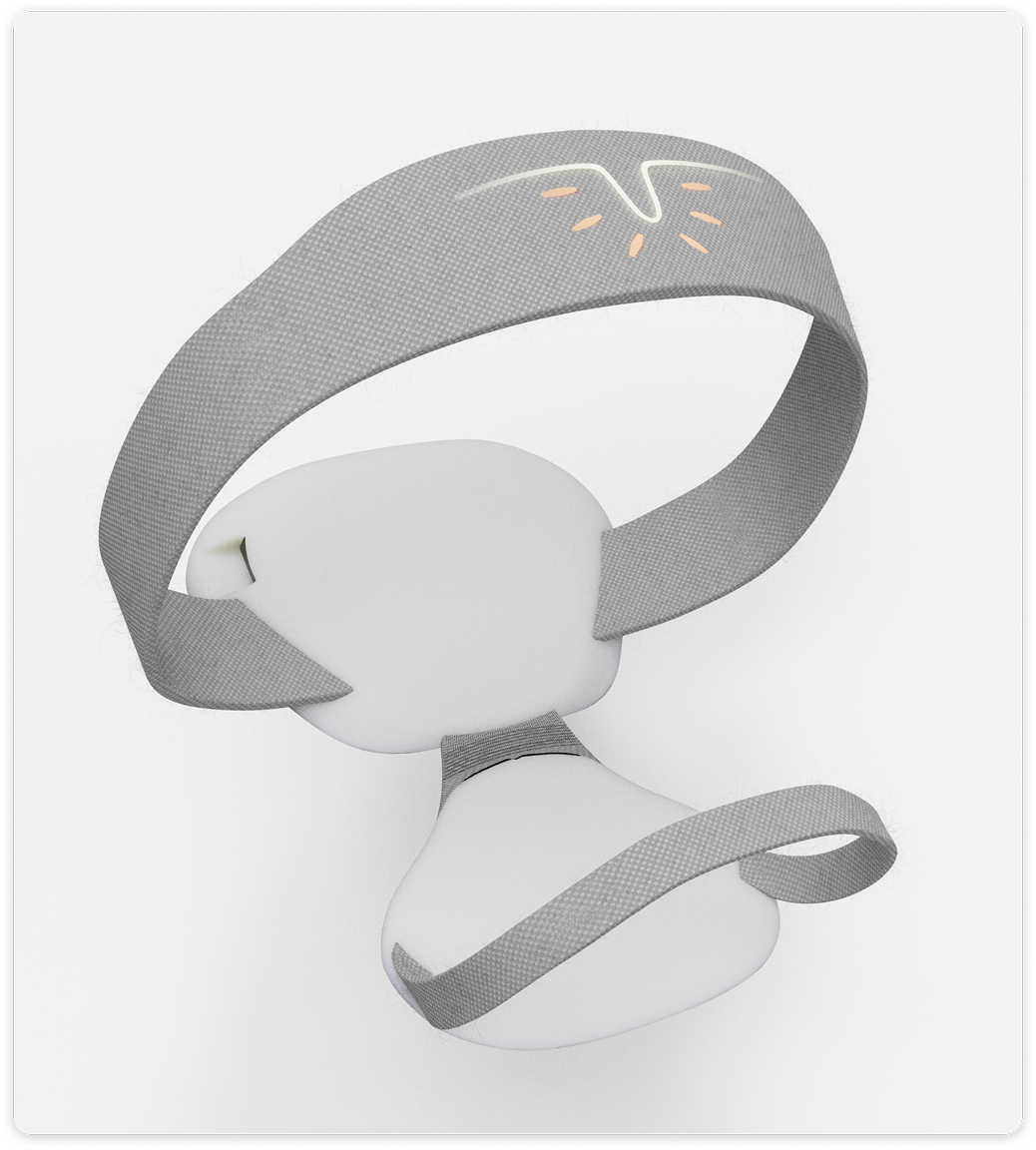
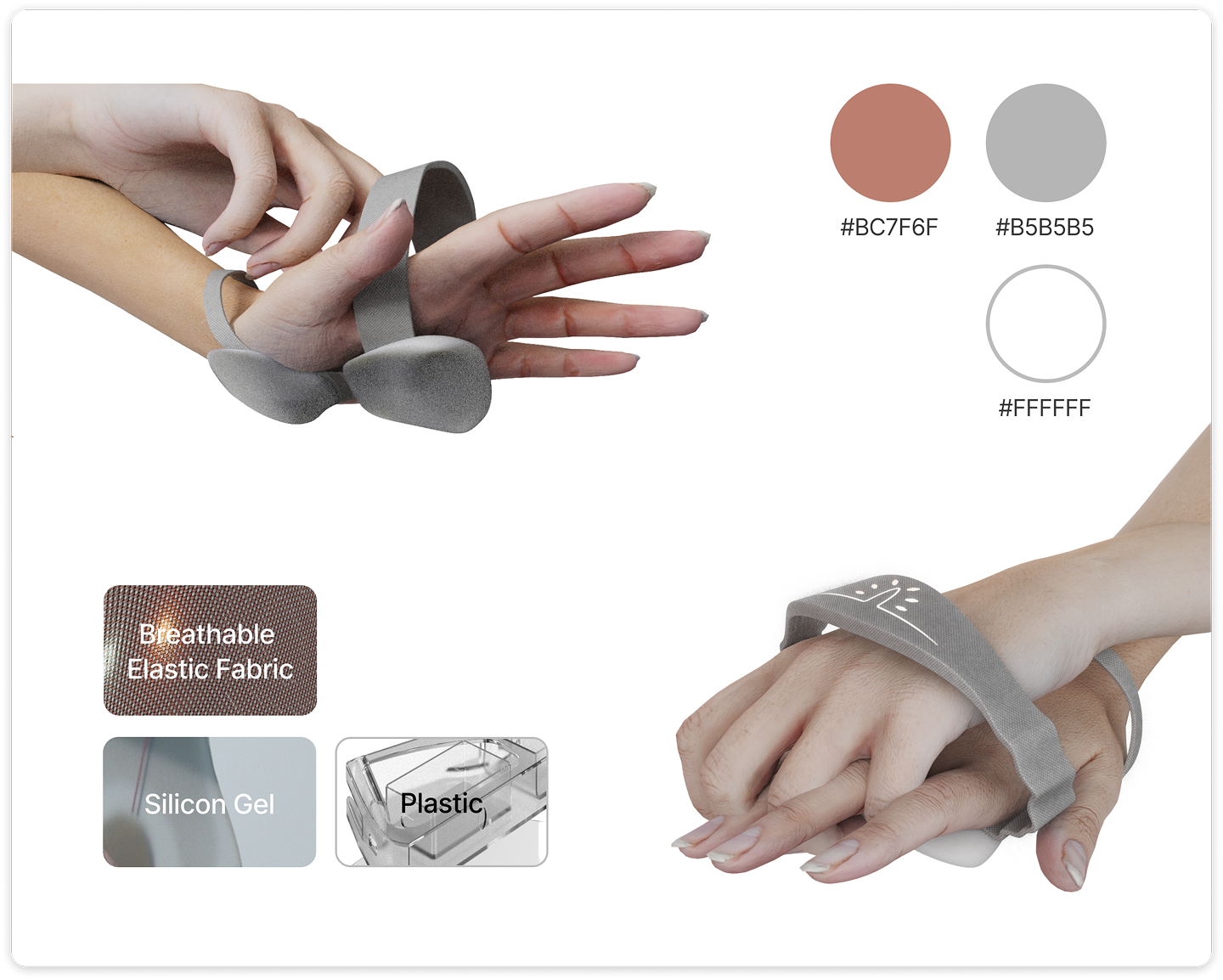
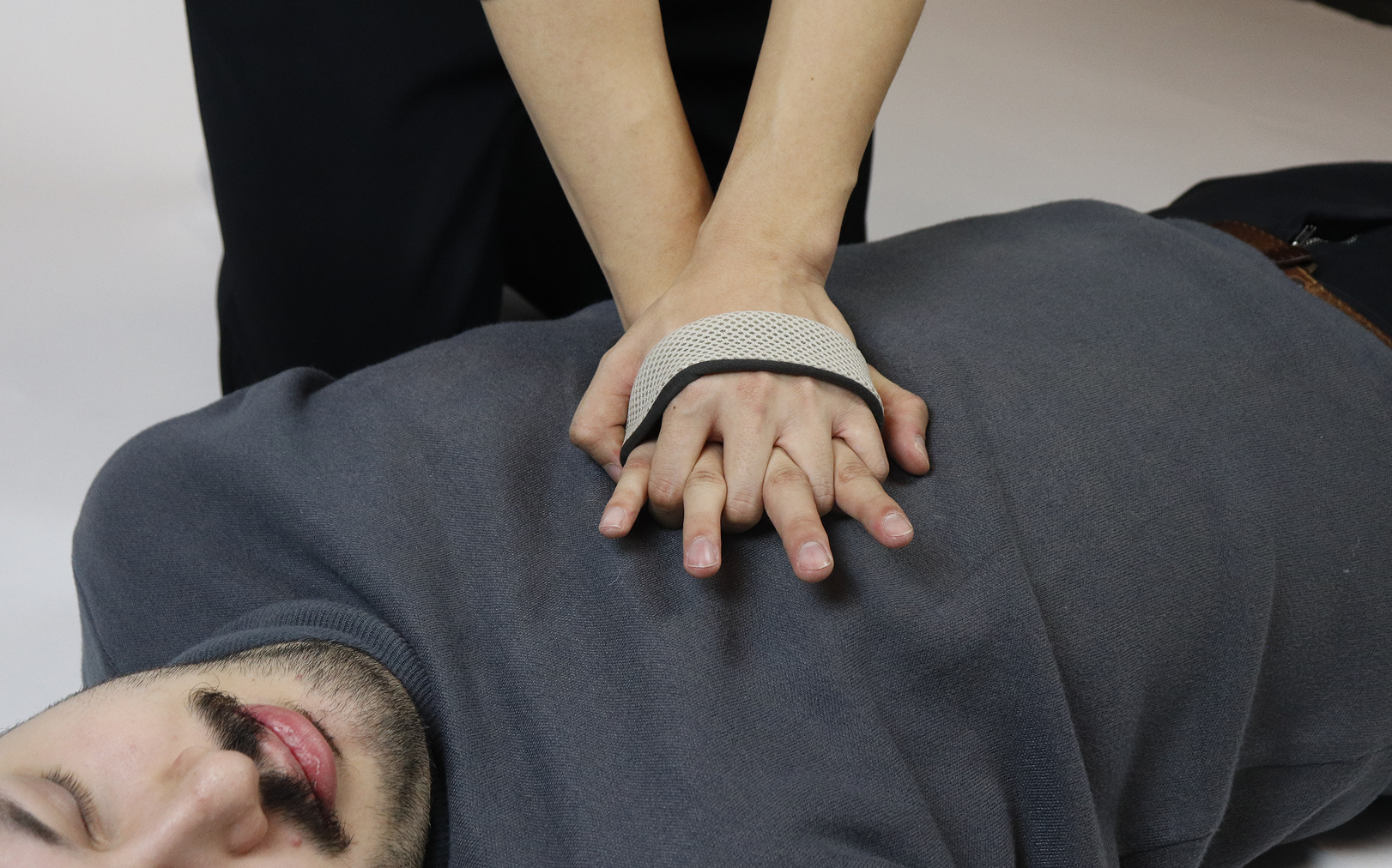
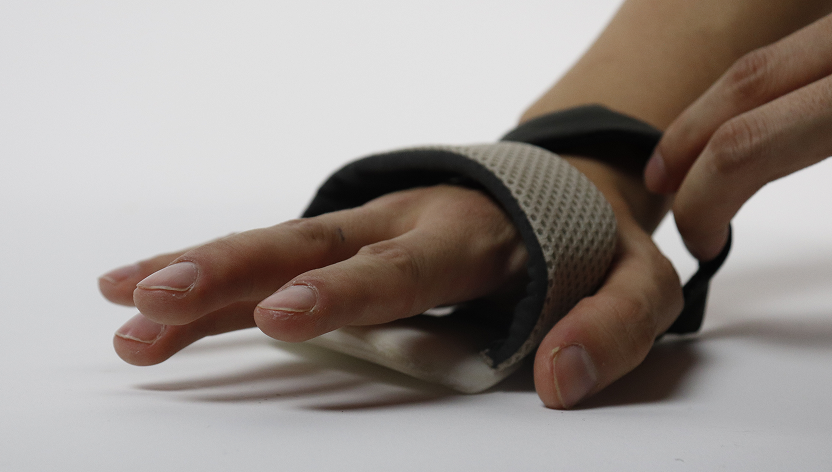
GITD is a wearable device that assists CPR-trained individuals in taking confident action during emergencies. It provides real-time guidance, step-by-step instructions, and can be worn or carried in various ways for easy access.
- Wearable Physical Interface
- Emergency Aid
- User-centered Design
- UX Design
Duration
2023.07-09
project type
Group Project (4 Members)
role
Product & UX Designer
Where we saw the problem.
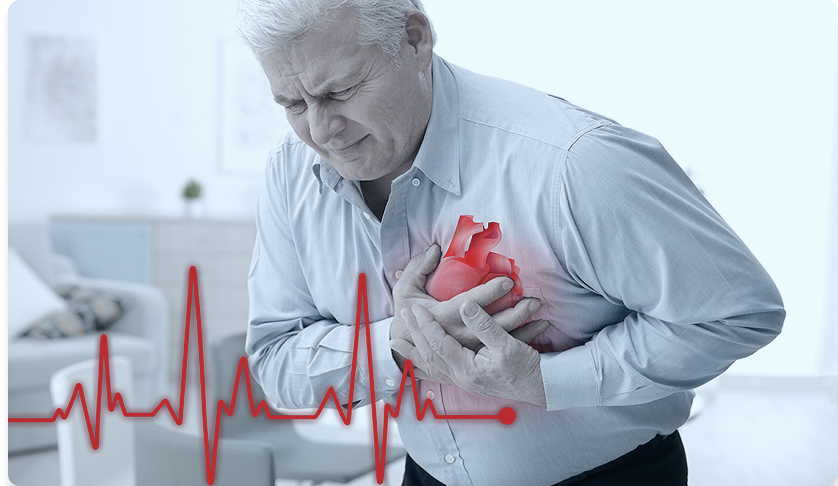
436,852 Americans die from cardiac arrest in a single year... yet only 40.2% receive bystander CPR (cardiopulmonary resuscitation), even though CPR can double or triple survival.
Cardiac arrest kills fast, but help is often slow, not because people don't care, but because they don't feel confident.
Where we dug deeper | Interviews
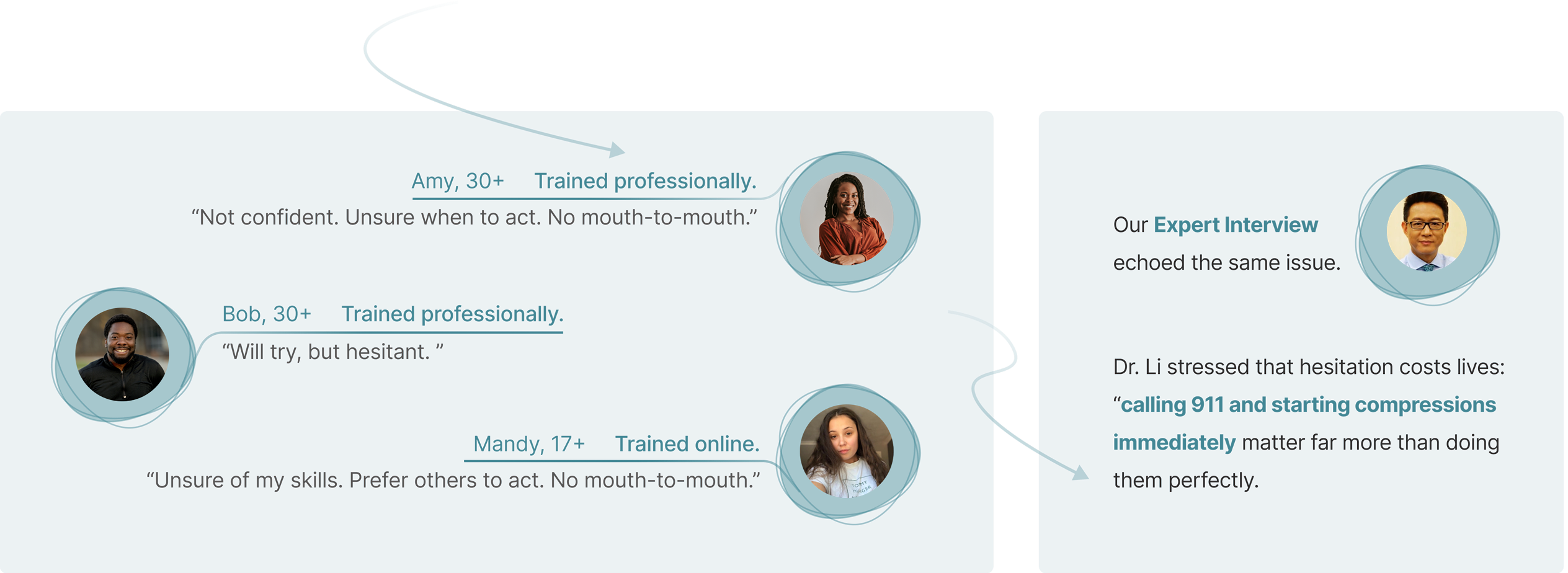
To understand why so few people step forward, we interviewed three individuals who had all learned CPR.
Question: Would you perform CPR if someone nearby needed help?
What we uncovered | The Problem
Many people who have received CPR training hesitate to act in real emergencies due to fear, uncertainty, and lack of confidence, leading to missed life-saving opportunities.
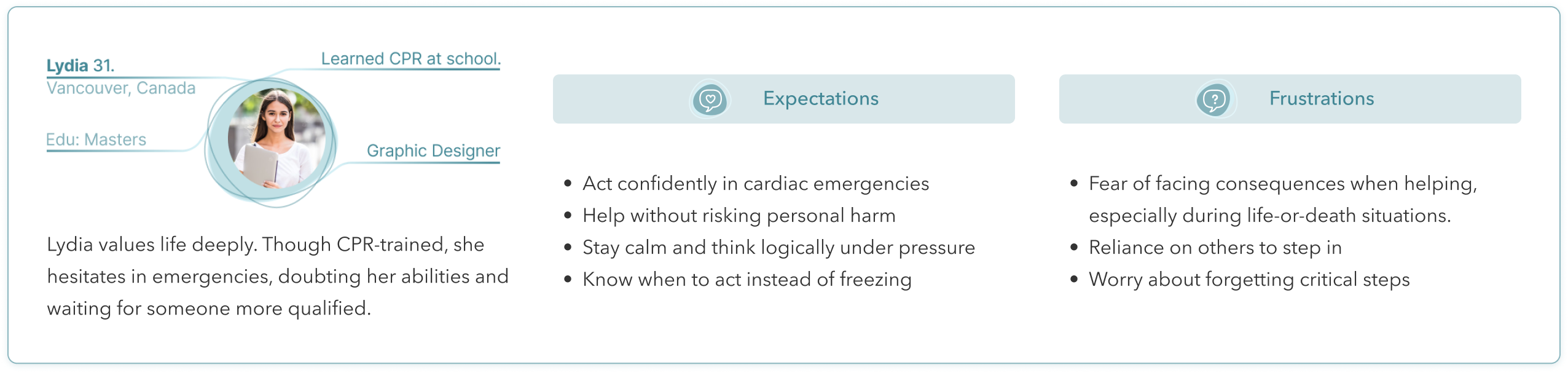
Persona | The Hesitant Responder
Objective | What we set out to do
We're designing a wearable CPR guide that empowers trained individuals to confidently perform CPR from the moment of collapse until help or an AED arrives.
User Journey Map | How we approached it.
We mapped the rescue journey to uncover design opportunities and shape our wearable-app system.
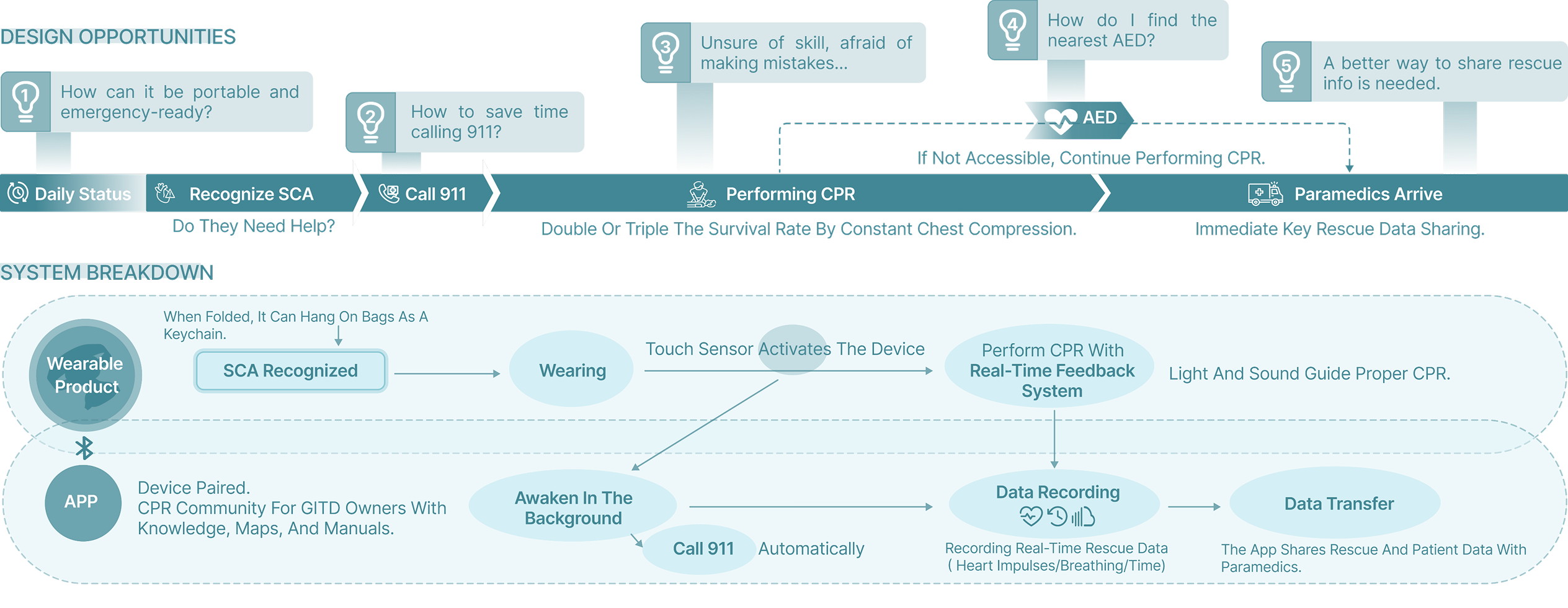
Next, we explored possibilities.
Technical Support
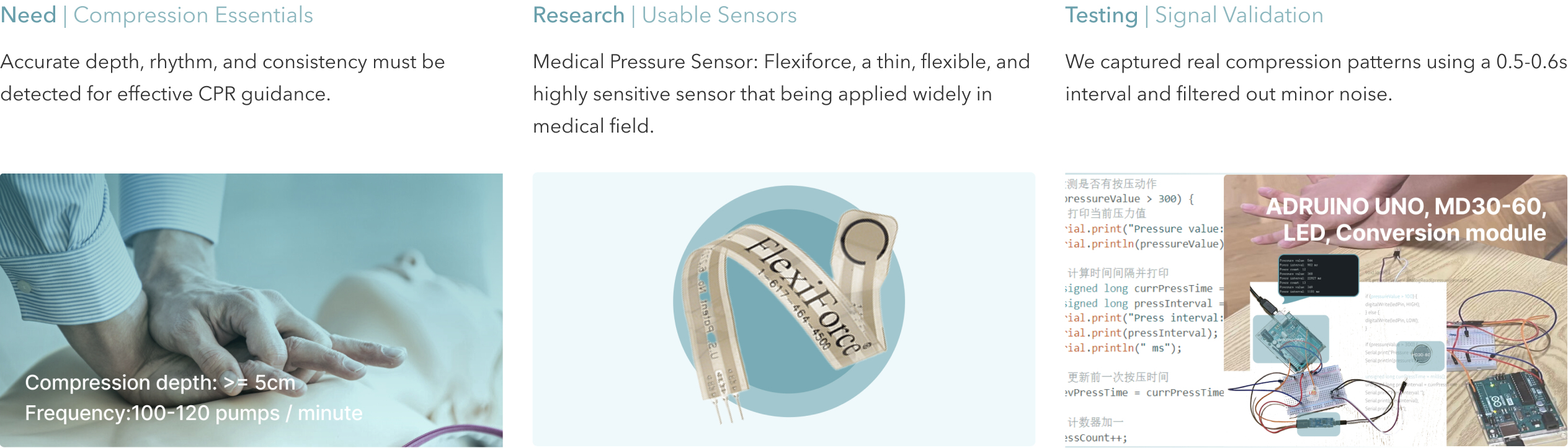
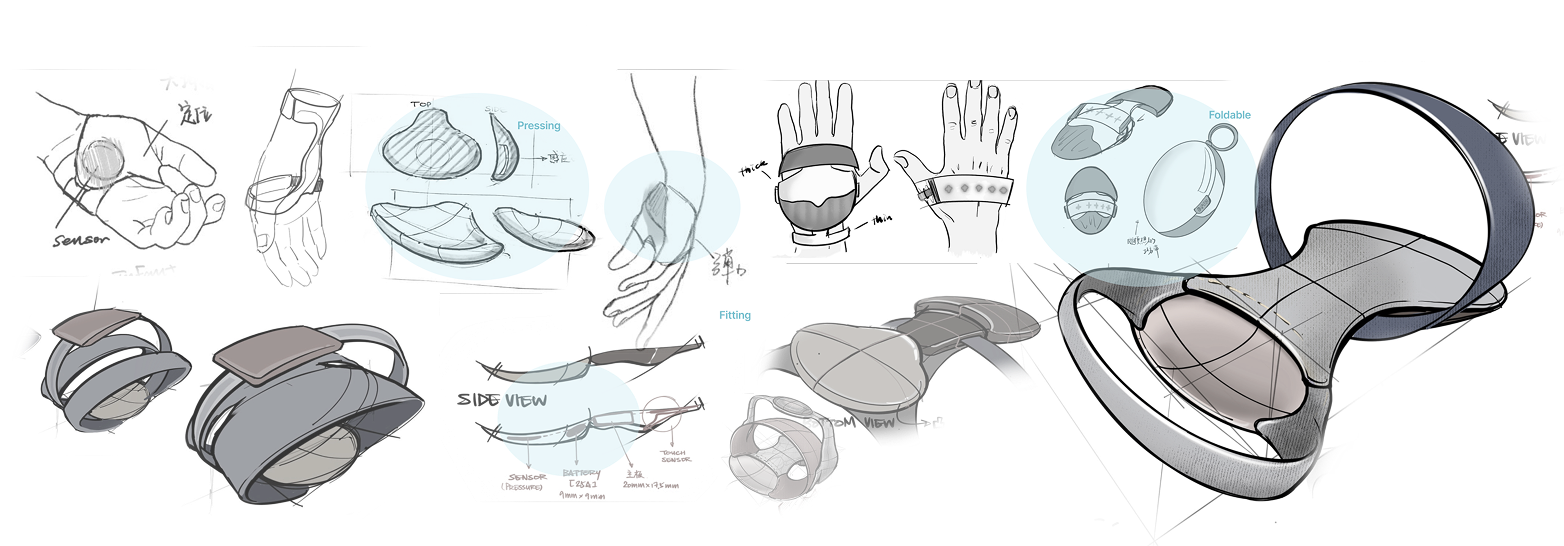
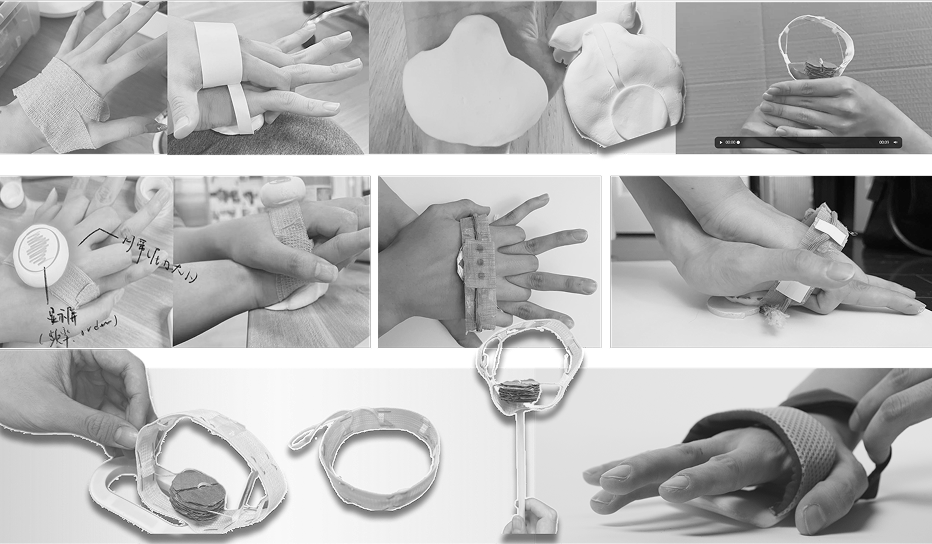
With the technical logic validated, we moved into exploring how the device could take shape.
Sketches
Final Product
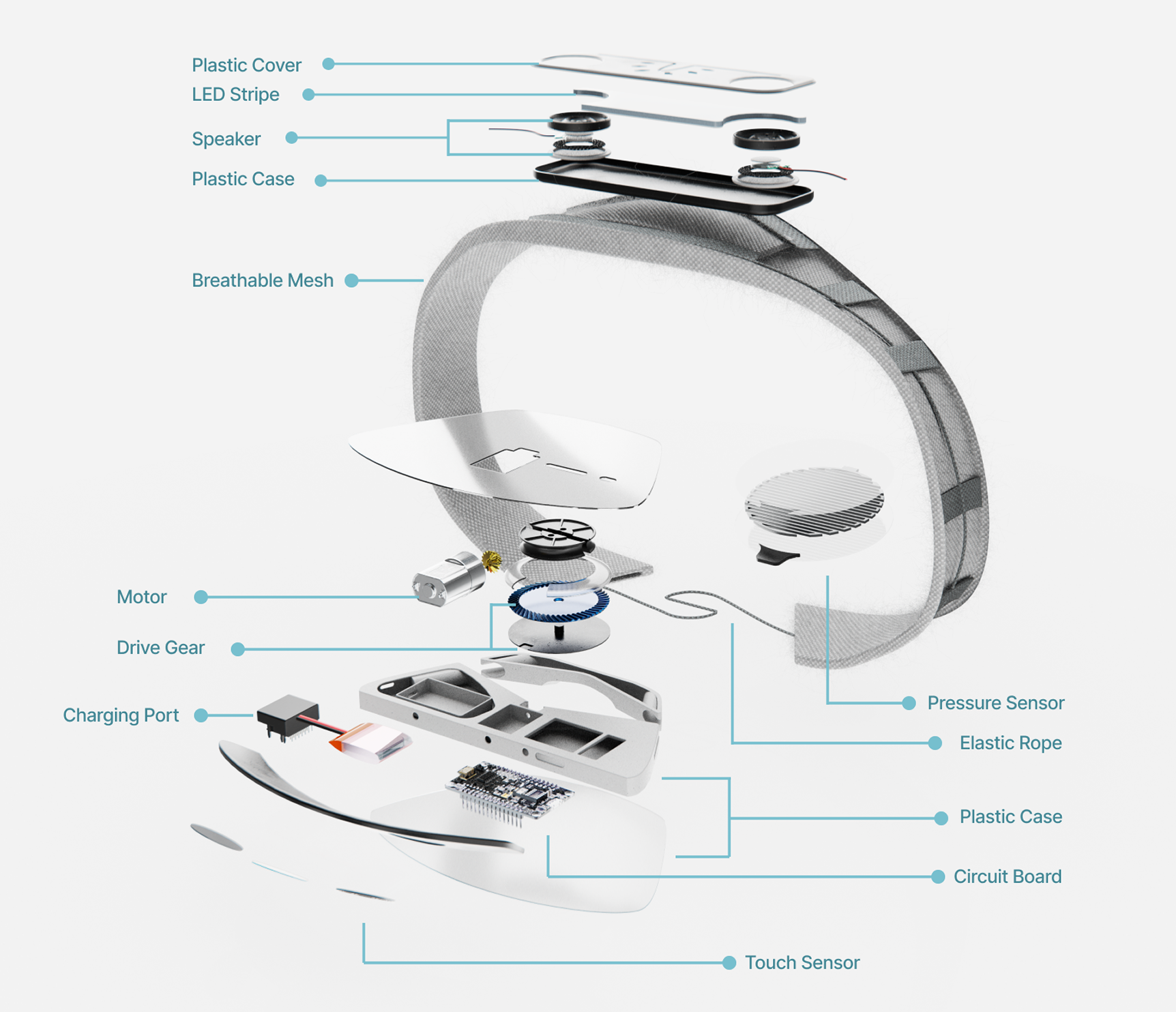
Exploded View
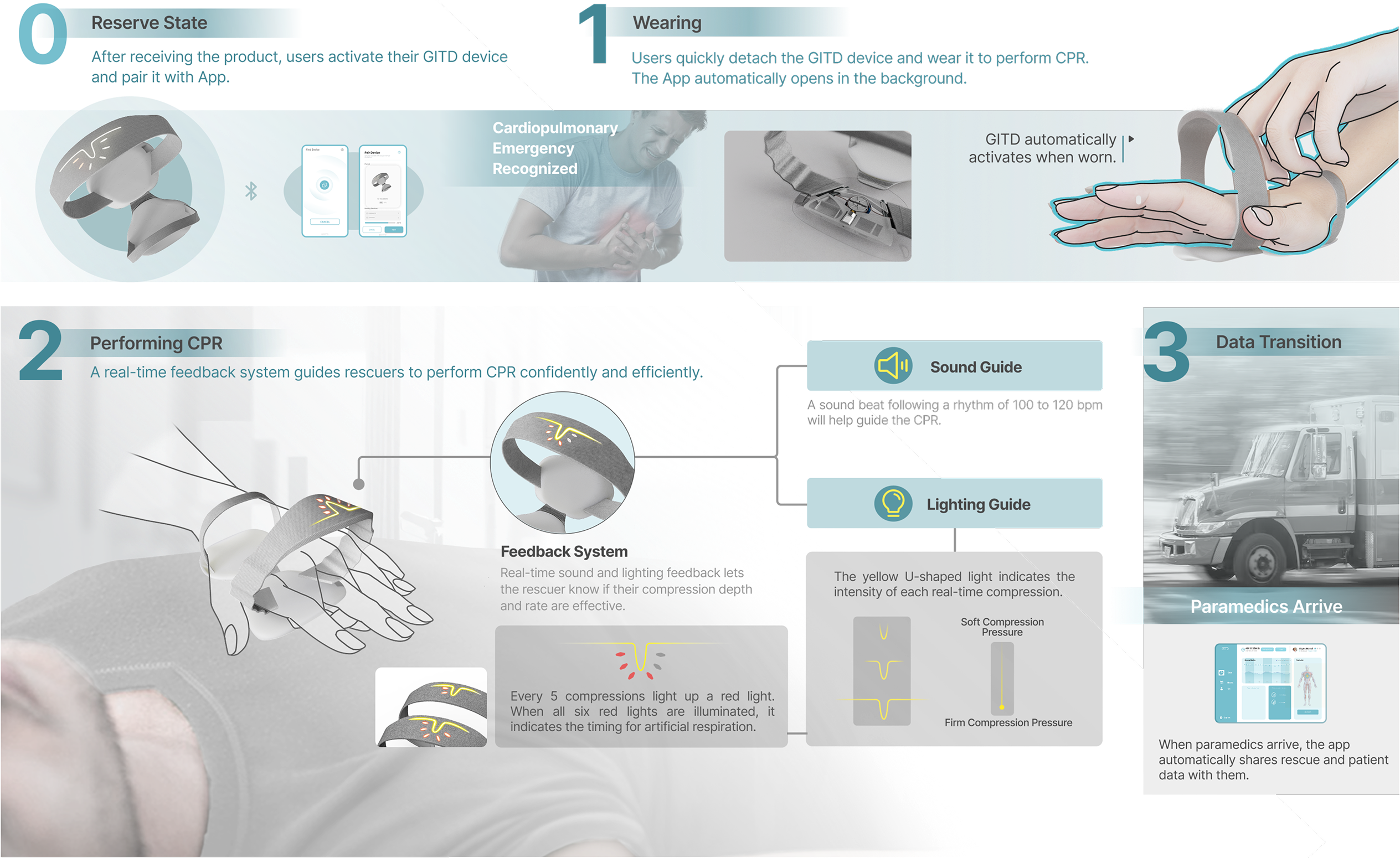
How it Works
Storage
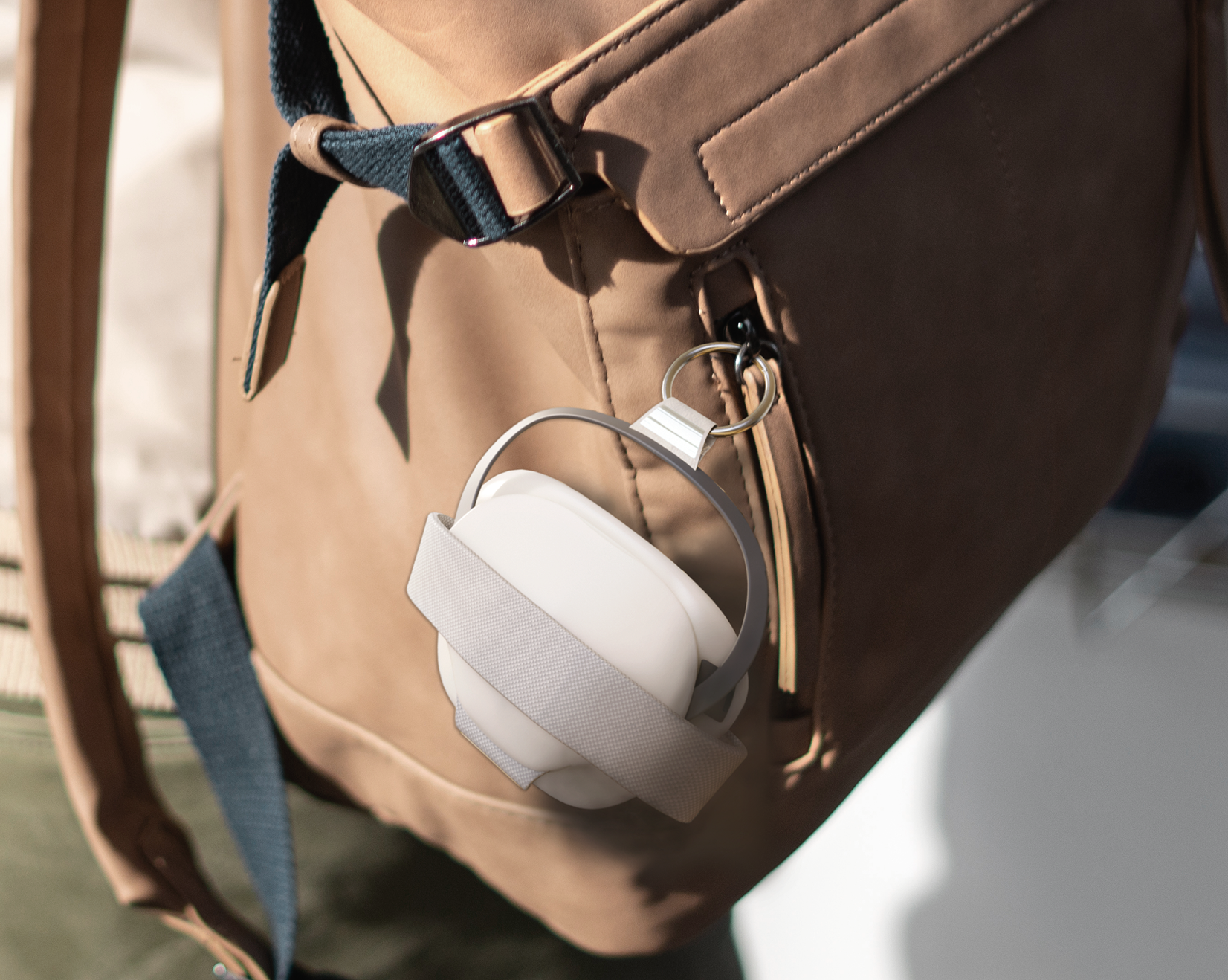
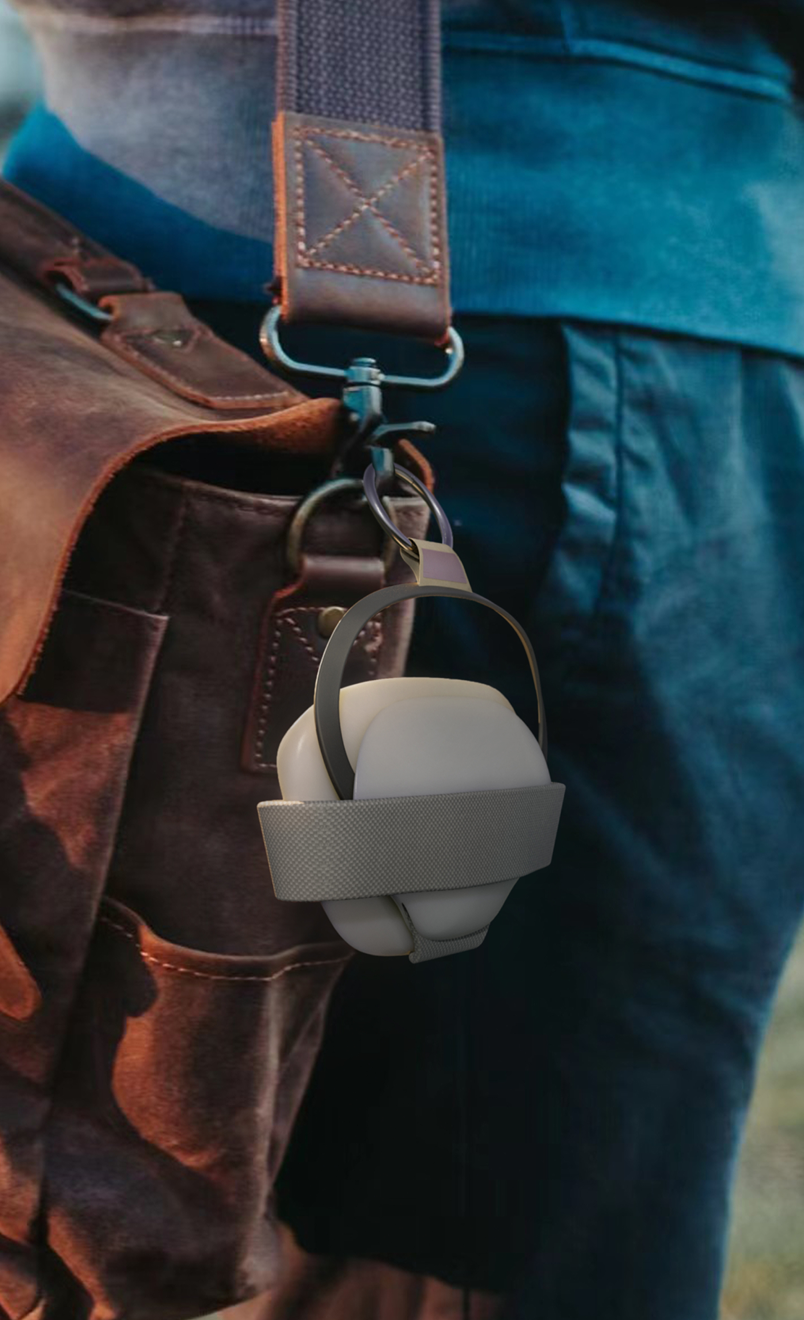
While not being used, GITD could be hanged as a keychain on bags.
Packaging
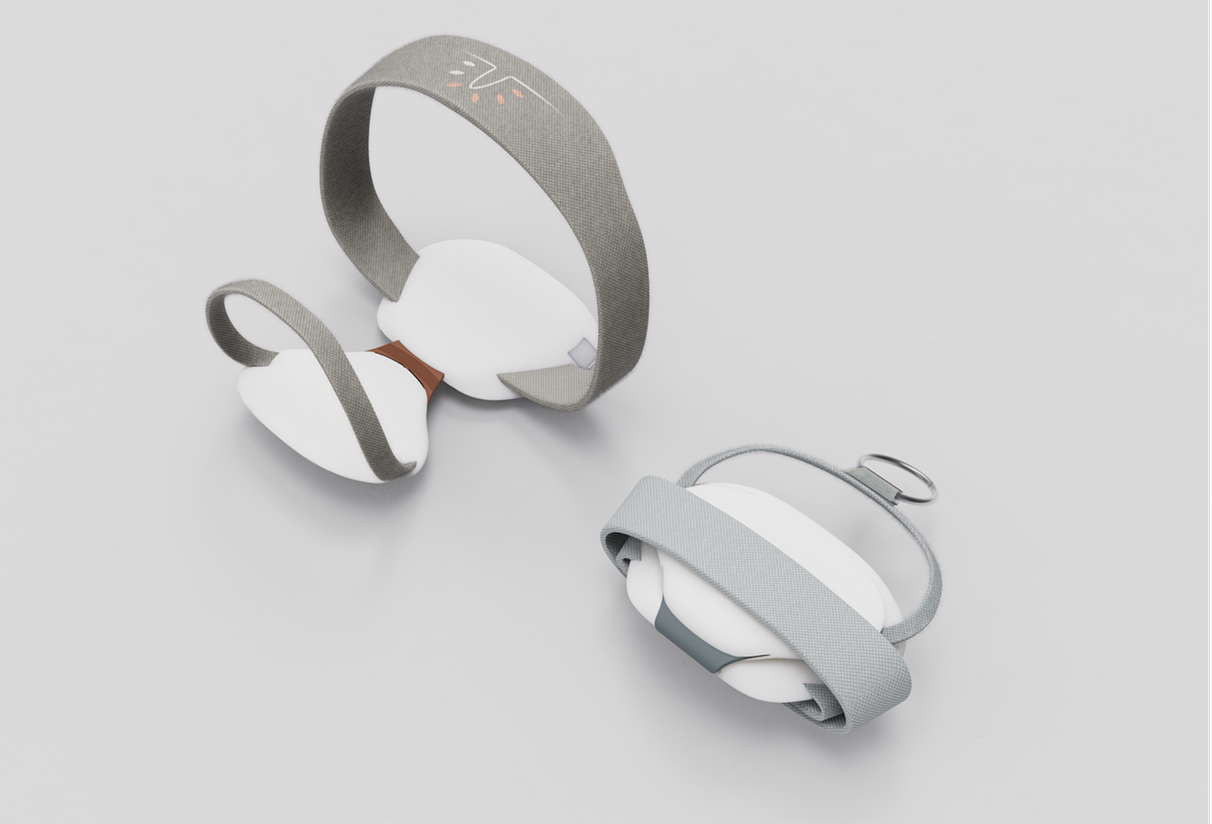
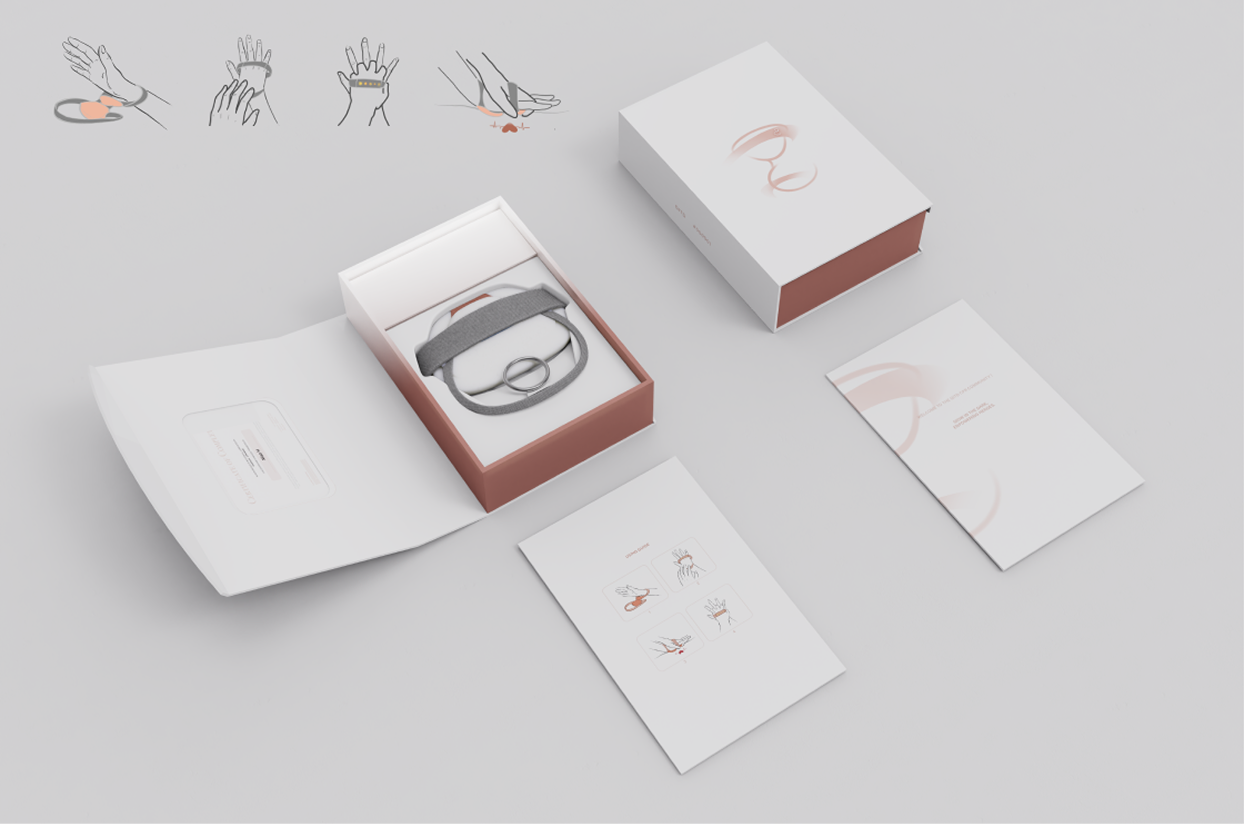
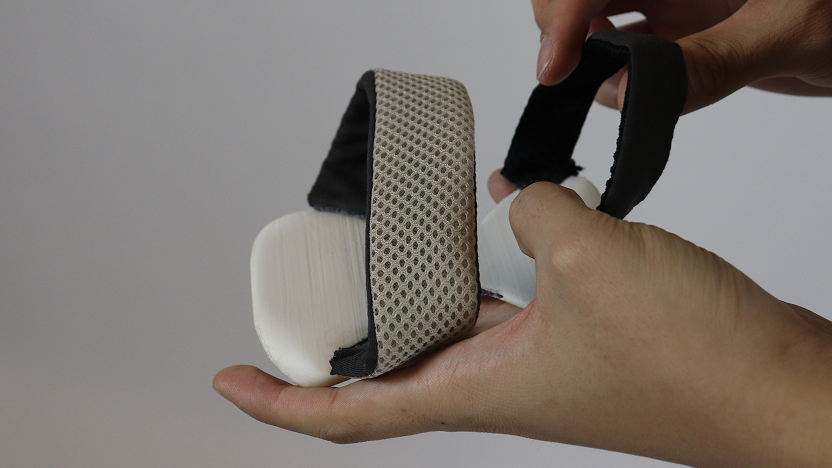
Delivered to users in a foldable form as part of a completion package, our GITD wearable device is provided alongside certificates upon completing CPR training.
Physical Model
Materials: PLA (3D Print) and Fabric.
Concept Video
Between fear and action, a life is waiting.