
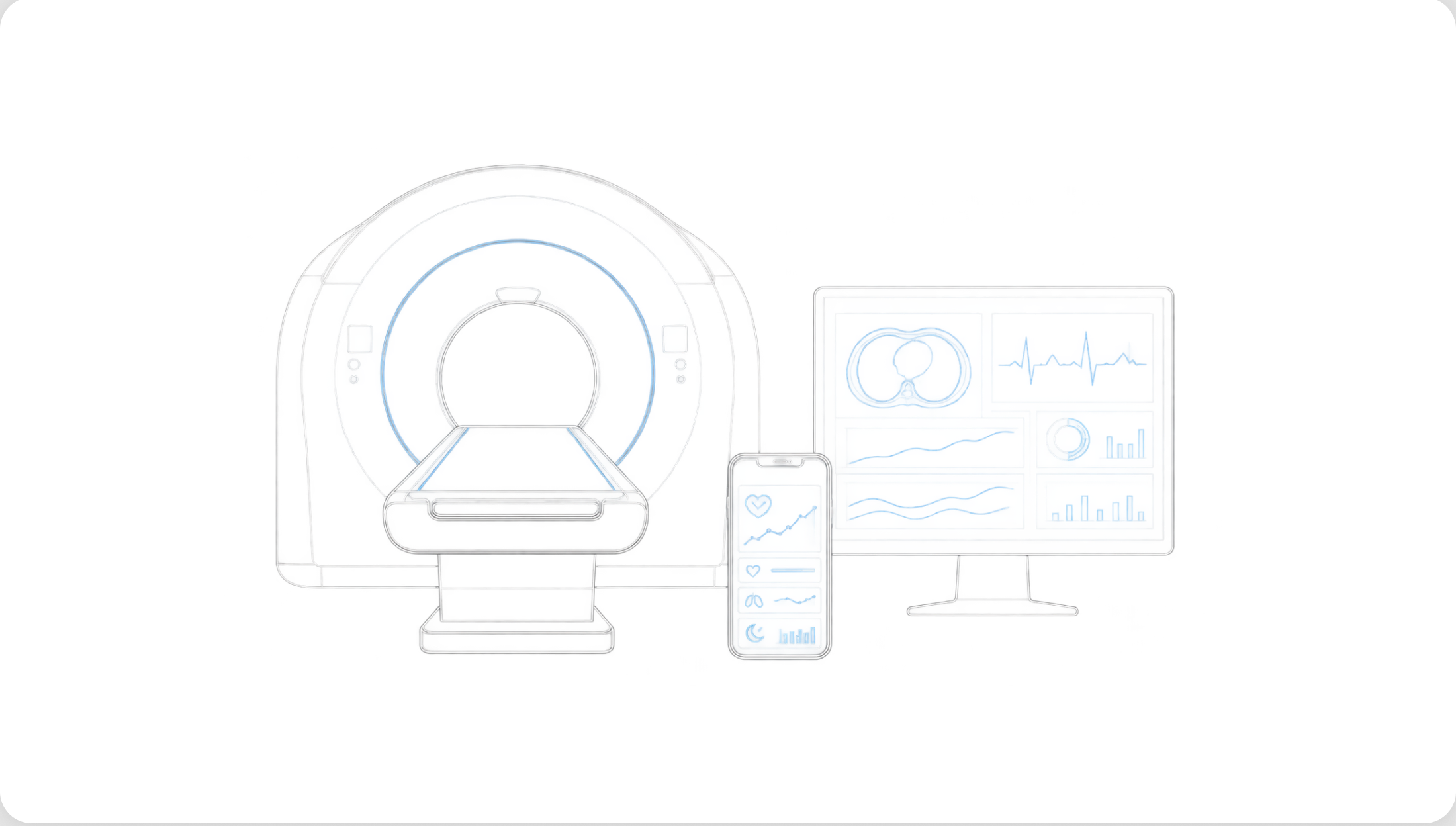
Healthcare rarely feels straightforward. At a medical appointment, we may worry about the results or feel uneasy around unfamiliar equipment and procedures. In everyday life, recurring symptoms, confusing health metrics, and competing advice can leave us unsure where to begin. We want accurate answers and effective treatment. We also want someone to explain what is happening, take our concerns seriously, and help us feel more certain about what comes next.
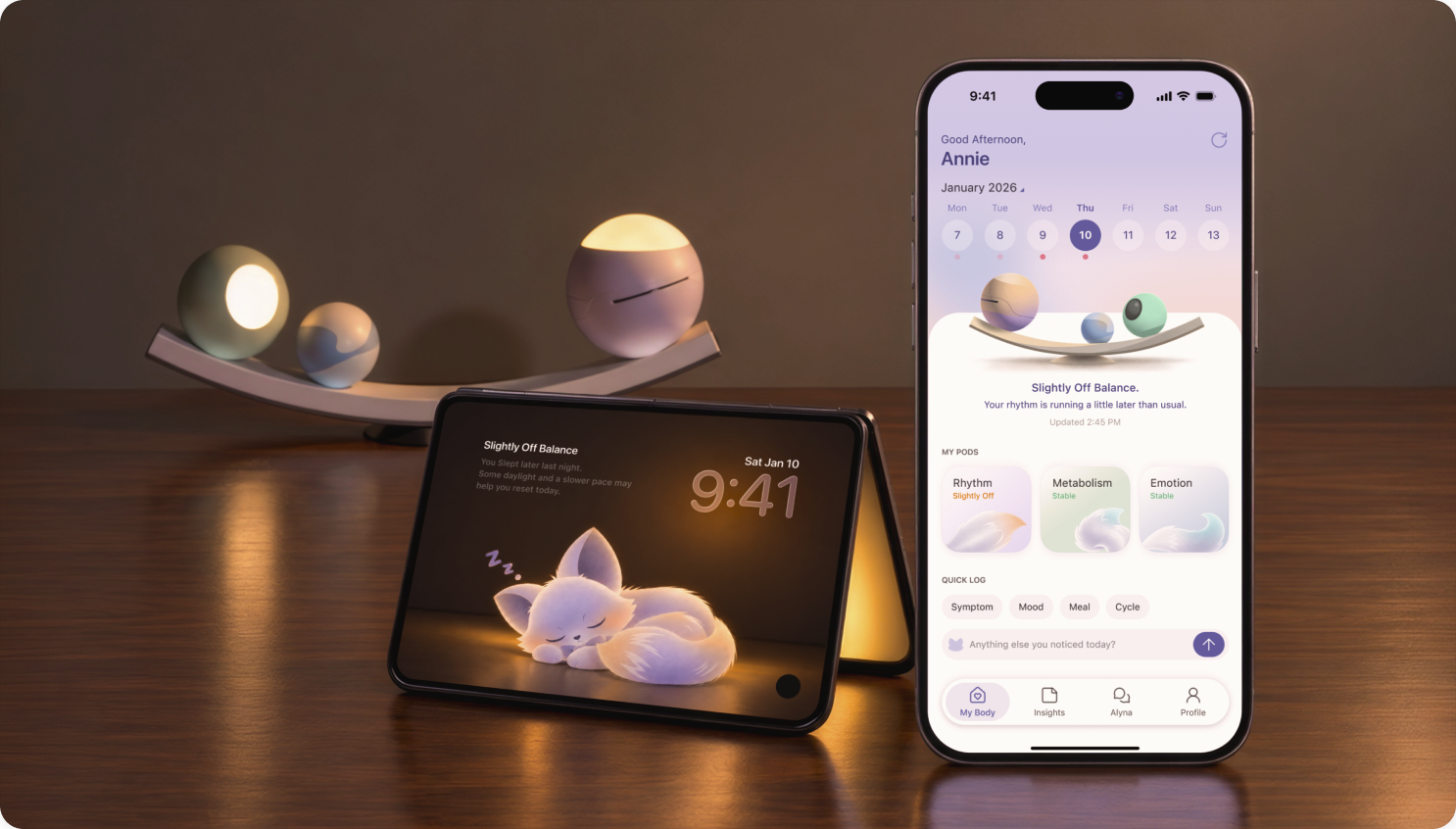
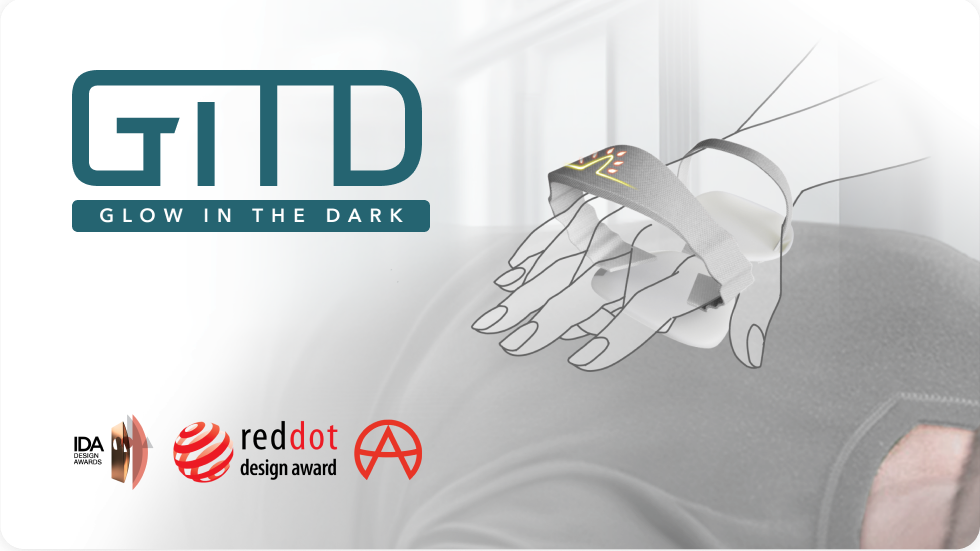
I explored these needs through two design projects. ALIGNA is a physical and digital companion system I designed to help women understand changes in their health and identify manageable actions. GITD is a wearable emergency aid concept for people trained in CPR, focused on helping them move past hesitation and begin responding when an emergency happens.
Working on these projects helped me recognize that clear information and straightforward instructions do not necessarily remove uncertainty. People may still feel anxious, hesitate, or wonder whether to trust a recommendation. These responses shape how a product is used. They also make healthcare a meaningful area for healthcare UX design: how should guidance appear, how should advice be communicated, and what happens when someone asks for help?
Healthcare professionals have their own needs. They rely on devices and software to interpret information, coordinate tasks, and care for patients under time pressure. Design has to support their work while considering what the person receiving care is experiencing. When a system serves both sides, I find myself asking: How does it want patients to see it? And are we helping patients, or making it easier for them to follow the process?
A Tool, an Expert, or a Companion?
Healthcare systems communicate an identity through their appearance, language, and behavior. An imaging device might convey professionalism through clarity and precision. A health app might use a friendly voice or character to feel more approachable. These choices create expectations. When a system speaks like an expert, people expect its advice to be well supported. When it acts like a companion, they may expect it to understand their circumstances and listen when they disagree.
In ALIGNA , I introduced a fox named Alyna to make everyday health management more approachable. Users are dealing with questions and emotions as well as numbers and charts. Through the fox’s expressions, movements, and tail colors, I wanted abstract health states to become easier to notice and understand. Alyna also provides a natural point of conversation when users want to explore further, connecting the physical devices, health data, and conversations within the app into one experience.

Introducing a character, however, also invites people to relate to the system differently. Someone might be more willing to engage because they like Alyna, but they might also expect a deeper understanding of their situation. When the fox explains a health pattern in a caring voice, how much trust comes from the information itself, and how much comes from affection for the character? If the system has access to only part of someone’s health history, “I understand how you feel” makes a different promise from “Your recent records show some changes. We can take a look together.”
I still see value in the fox. It can make health information more approachable and offer a sense of companionship. But that closeness needs to be supported by what the system can actually do: explain the basis of its suggestions, acknowledge what it does not know, accept corrections, and recognize when to recommend professional help. A character, voice, or visual style can open a relationship. What happens afterward determines whether the system can sustain it.
Are We Helping Patients, or Helping the Process Run Smoothly?
Often, these goals align. Before an imaging exam, explaining why the table moves, why the machine makes certain sounds, and when someone needs to remain still can help them understand the experience while supporting a successful scan. Standard procedures and patient cooperation have important roles in healthcare. Efficiency and care do not have to be opposing goals.
The more revealing moments come when those goals diverge. Someone may understand the instructions and still feel uncomfortable enough to ask for a pause. A person attending a routine checkup may question one of the planned tests. Is that response treated as something worth understanding, or as an obstacle to completing the process? If we evaluate design only by whether an exam is completed smoothly, we may miss the hesitation, pressure, and unspoken needs along the way.
This also makes “reducing anxiety” a goal worth examining. Anxiety may come from missing information, but it may also reflect real discomfort or an unanswered question. Reassurance can help, while leaving room for further questions and concerns. A calmer, more cooperative patient does not necessarily understand what is happening. Someone who asks more questions is not necessarily having a worse experience.
Participation Requires a Response
Letting people choose music, visual surroundings, or reminder preferences can improve an experience. Participation also involves something more immediate: Can I express a need? Will I know that someone has received it? Can what I say affect what happens next? A help button can leave someone uncertain if there is no indication that their request has reached anyone. The promise made by an interface depends on the service behind it.
Everyday health management raises similar questions. An app can display records, trends, and recommendations, but there are many reasons someone might not follow its advice. The information may be confusing, the action may require too much effort, the suggestion may not fit their circumstances, or something else may matter more that day. If the system interprets every instance as a need for another reminder, it may become more persistent without becoming more understanding.
Participation does not mean handing every responsibility to the user, nor does it mean every request can be accommodated. Medical care has safety requirements, and systems have limits. Some people want detailed explanations; others need a clear, brief account of what matters. Design should help people understand necessary constraints and allow different levels of involvement, without requiring them to become calm, confident, expert users before they can receive care.
Looking back at these two projects, I still value design’s ability to support understanding and action. I also want to pay closer attention to how we learn what people need, and how we respond when their behavior differs from what we expected. A caring healthcare system needs to help people complete necessary tasks while making room for questions, pauses, and disagreement. How it wants patients to see it ultimately becomes clear in these moments: how it responds when a person’s needs do not fit the expected process.